
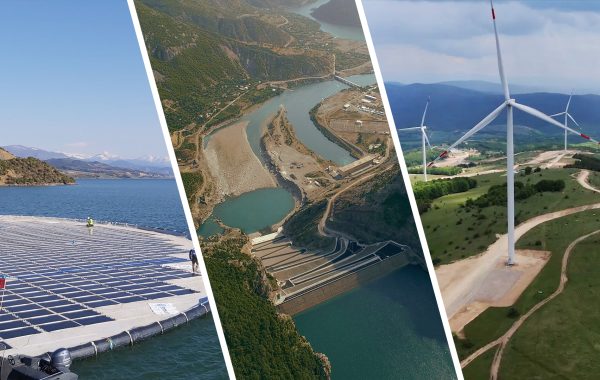
Renewable Technologies, Components & Conversion
- Inverter-based RES: Wind (Onshore & Offshore) and Solar (grid-connected and off-grid)
- Floating and airborne wind energy systems
- Floating solar PV systems and hybrid hydro-solar plants
- Other RES: hydropower, pumped storage, geothermal, bioenergy, marine energy
- Energy storage (batteries, hydrogen, and synthetic fuels)
- Power electronics and conversion
- Integration of Distributed Energy Resources
- Multi-Terminal HVDC Grid, Point-to-Point HVDC
- Novel hydropower concepts including small-scale and environmentally friendly turbines
- Climate change impacts on hydropower production and resilience
- Retrofitting and modernization of aging hydropower plants
- Life cycle and environmental impact assessment of RES
- Innovative materials for renewable energy applications
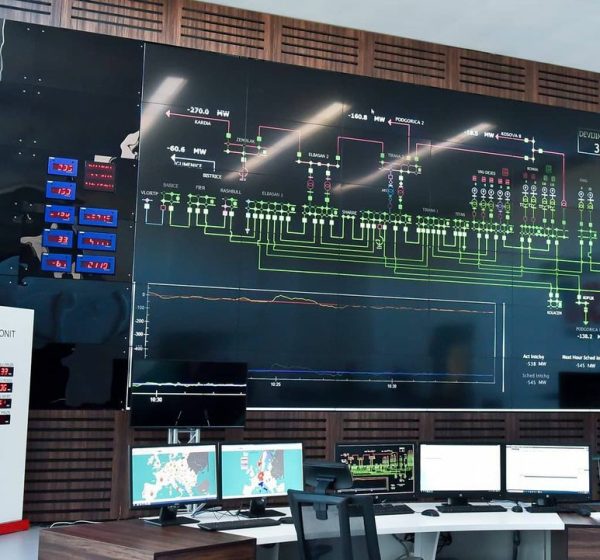
Smart Grid Control, Operation & Planning
- Grid modelling and power system simulations
- Climate-resilient grid infrastructure planning
- Distributed generation and microgrids
- Reliability, security, and resilience in power systems
- Distribution grid observability, automation, and supply quality
- Protection schemes, islanding, and microgrid operation
- Virtual power plants and aggregated flexibility management
- Frequency regulation under high penetration of RES
- Real-time monitoring, digital twins, and model predictive control
- Grid-forming inverters and virtual synchronous machines
- Grid stability with FACTS and HVDC solutions
- AI and machine learning in grid stability and predictive maintenance
- Black start capability and emergency power reserves
- Grid modernization for rural electrification and developing regions

Electricity Markets, Economics & Energy Policy
- Integrating RES into existing and new electricity markets
- Renewable energy auctions and investment frameworks
- Market design for active users — implementation and regulation
- Flexibility markets, regulation and standards
- Dynamic tariffs and time-of-use pricing strategies
- LCOE and techno-economics of generation and energy storage
- Energy communities, peer-to-peer trading, and aggregation
- Blockchain and distributed ledger technologies for energy trading
- Carbon pricing and emission trading systems
- Socio-economic impacts of energy transition policies
- Energy poverty, justice, and equitable access to clean energy
- Gender equality and community participation in energy transitions
Demand, End-use Innovation & Energy Efficiency
- Energy efficiency in new or renovated buildings
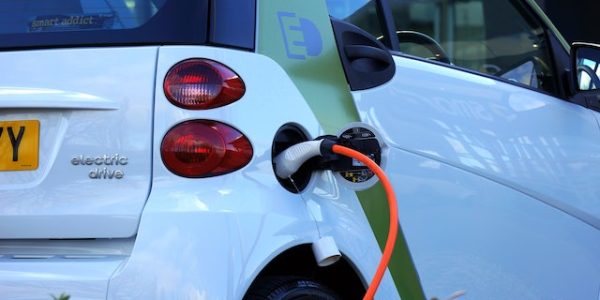
- Electric mobility solutions and charging infrastructure
- Vehicle-to-Grid applications
- Heat decarbonisation
- Industrial energy efficiency and process electrification
- Carbon capture, utilization, and storage (CCUS)
- Building-integrated photovoltaics (BIPV) and energy-positive buildings
- Smart HVAC and thermal comfort optimization
- Waste heat recovery and cogeneration systems
- Smart cities and sustainable urban energy planning
- Electrification of heavy transport and logistics
- Behavioural change and energy-saving strategies
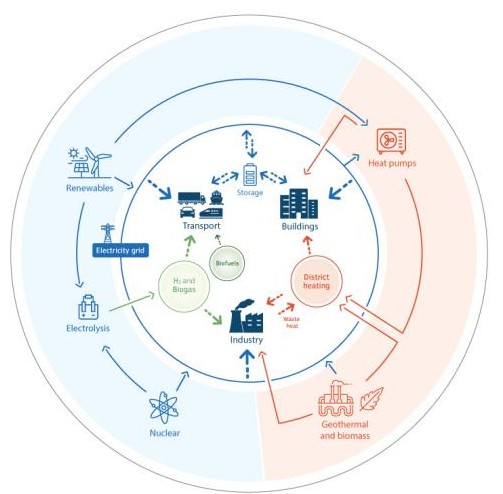
Energy System Integration
- Multi-energy systems and sector coupling (P2X)
- Power-to-heat and power-to-gas integration
- Integrated planning of electricity, heat, and gas networks
- Coupling of energy and water infrastructures
- Energy-water-food-ecosystem nexus in renewable energy systems
- Hybrid renewable generation solutions
- Off-grid and hybrid microgrids for remote areas
- Green and blue hydrogen production, storage, and utilization
- Synthetic fuels and renewable methane production
- Thermal energy storage and phase-change materials
- Cross-sector flexibility platforms
- Waste-to-energy conversion and valorization technologies
Digitalization of the Energy System & Services
- AI and digitalisation in energy systems
- Cybersecurity in energy system operation and control
- Digital twins for hydropower plants, grids, and renewable assets
- IoT and edge computing solutions for energy systems
- Data-driven modelling and big data management
- Network digitalization and smart metering infrastructures
- Energy-aware data centers and green ICT design
- 5G/6G communication technologies for energy networks
- Cloud-edge continuum architectures for energy management
- Blockchain and distributed ledger technologies
- Federated learning and privacy-preserving AI
- Quantum computing applications in energy optimization